GPA Resources
This page collects guides and articles on GPA calculation, weighted vs. unweighted GPA, college admissions requirements, and study strategies. Each resource is written to directly answer common student questions about understanding and improving grade point average.
Last updated: June 2026

GPA Calculator for Engineering Students: How to Calculate Your Technical GPA
Engineering students maintain two GPA figures: a cumulative GPA covering all coursework and a technical GPA covering only engineering, mathematics, and science courses. The technical GPA is used for major admission, graduation clearance, and employer screening in technical fields.

GPA Impact of Withdrawals, Incompletes, and W Grades
A standard W grade does not affect GPA but reduces the SAP completion rate. A WF grade enters the GPA as an F. An incomplete grade stays outside the GPA until it resolves, then converts to a final grade. Each notation has different consequences for GPA, financial aid, and graduate admissions.

Harvard's 20% A-Grade Cap and Grade Inflation Crisis (2026)
Harvard faculty voted in May 2026 on a proposal to cap solid-A grades at 20 percent of students per course. The vote follows data showing A grades rose from 24 percent of all marks in 2005 to over 60 percent in 2025, compressing the GPA scale until summa cum laude requires a 3.989 to differentiate candidates.

Minimum GPA Requirements: Academic Probation, Dean's List and Graduation
GPA thresholds determine academic standing, Dean's List eligibility, and graduation honors at every college. The probation floor is 2.0 at most institutions. Dean's List requires 3.5 with at least 12 credit hours. Latin honors at graduation begin at 3.5 for cum laude and reach 3.9 or higher for summa cum laude.

Retaking a Class for GPA: When It Helps (and When It Doesn't)
Retaking a class improves GPA only when the school uses grade replacement and the credit hours are high enough to move the cumulative average meaningfully. Under grade averaging policies, retaking a class rarely produces the GPA gain students expect.

What Is a Good GPA? Benchmarks for College, Grad School and Jobs (2026)
A good GPA depends on the goal. For most college programs, 3.0 is the minimum threshold that matters. For competitive graduate programs, employers in finance and consulting, and merit scholarships, the practical floor starts at 3.5. The national average college GPA sits at 3.15 according to NCES data.

Transfer Student GPA: How to Combine GPAs from Two Colleges
Transfer student GPA is calculated by combining the quality points from each institution using a credit-weighted formula, not by averaging the two GPAs directly. The result is an all-institution GPA that reflects the full undergraduate record across both schools.

How to Calculate Semester GPA (Not Cumulative): Step-by-Step
Semester GPA measures academic performance for a single term by dividing total quality points earned by total credit hours attempted. The calculation uses only the courses from that one semester, not any prior term.
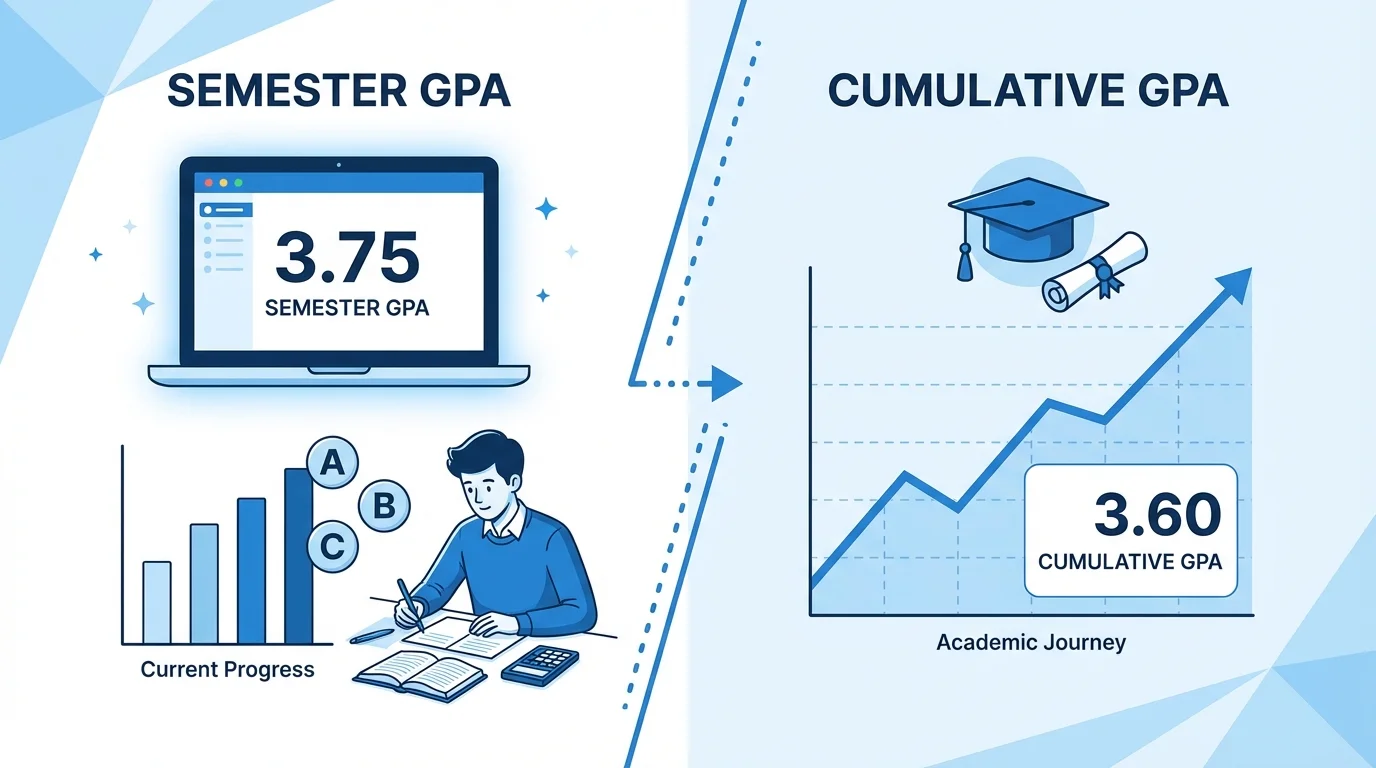
Cumulative GPA vs Semester GPA Explained
Notice that simply averaging the four semester GPAs gives 3.33 as well in this particular case, but that is a coincidence caused by the similar credit hour counts per semester.
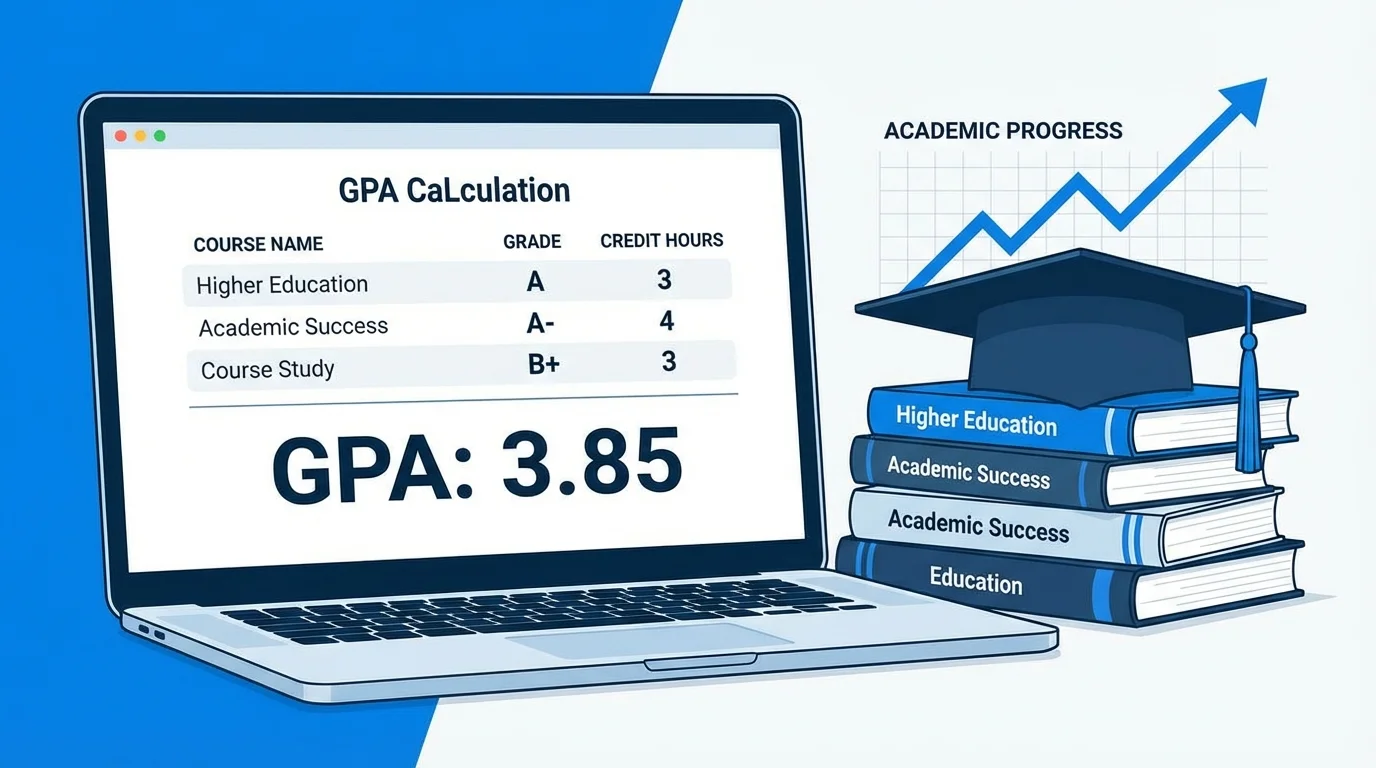
GPA Calculator Guide for Students
Keeping track of your grades across multiple courses and semesters takes real effort. Doing the math by hand every time you want to check your GPA is tedious and leaves plenty of room for error.

What Is GPA and How Does It Work?
Most students hear the term GPA throughout their entire school life, but very few actually stop to understand what it means and how it is calculated.

How to Calculate GPA: Complete Step-by-Step Guide
Learn how to calculate GPA step by step with clear examples. Understand weighted vs unweighted GPA, credit hours, and use our free GPA calculator to compute your grade point average instantly.
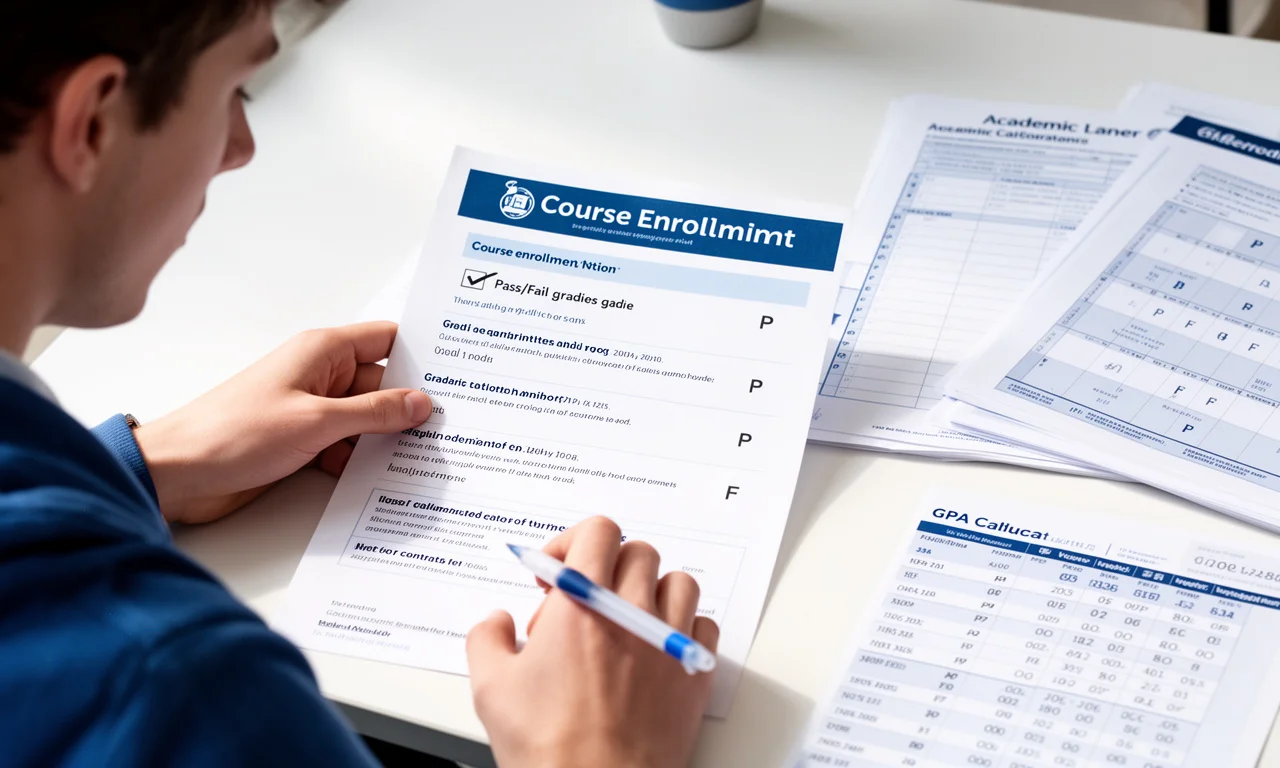
Pass/Fail Classes and GPA: What Actually Changes
A passing grade in a pass/fail class does not affect GPA. A failing grade does — it adds 0.0 quality points while counting the credit hours as attempted, lowering the cumulative GPA. The two outcomes are not symmetrical.
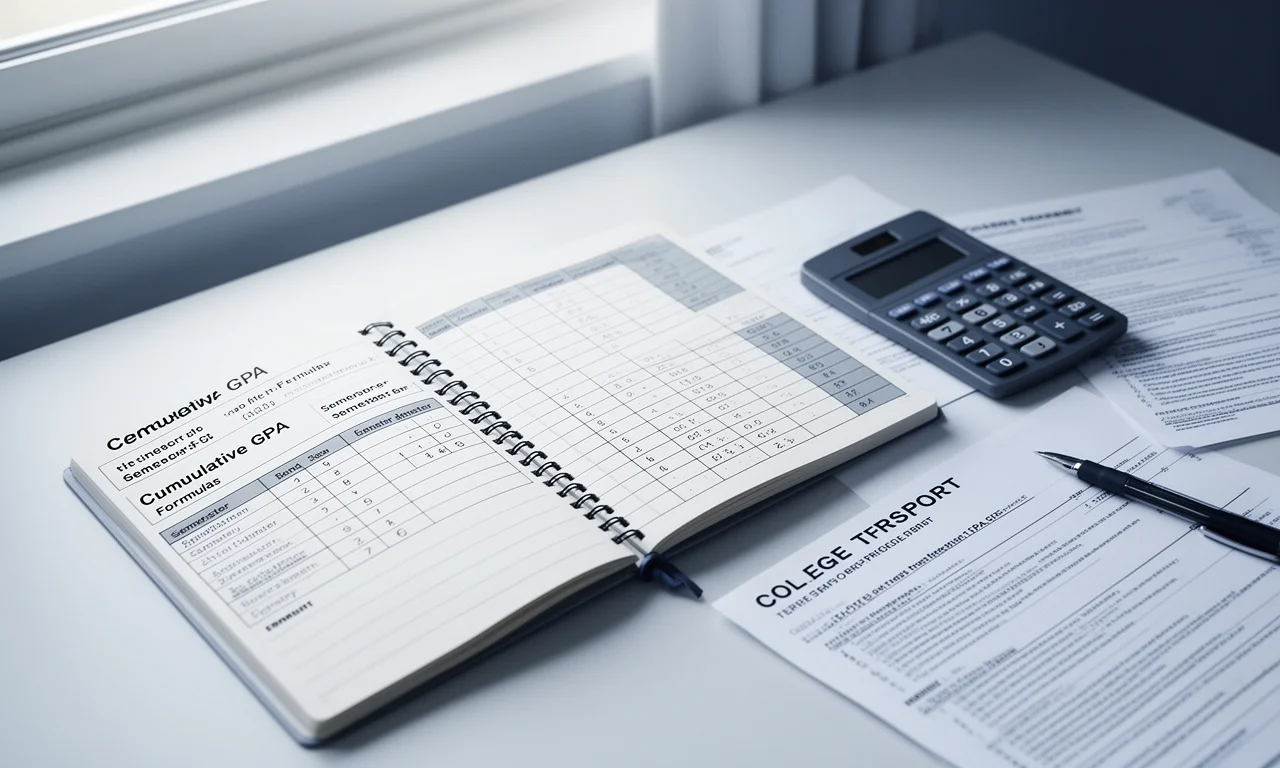
How to Calculate Cumulative GPA Across Multiple Semesters
Cumulative GPA is the credit-weighted average of all grade points earned across every semester attempted. Calculating it requires multiplying each semester's GPA by its credit hours, summing all quality points, then dividing by total credit hours — never averaging semester GPAs directly.
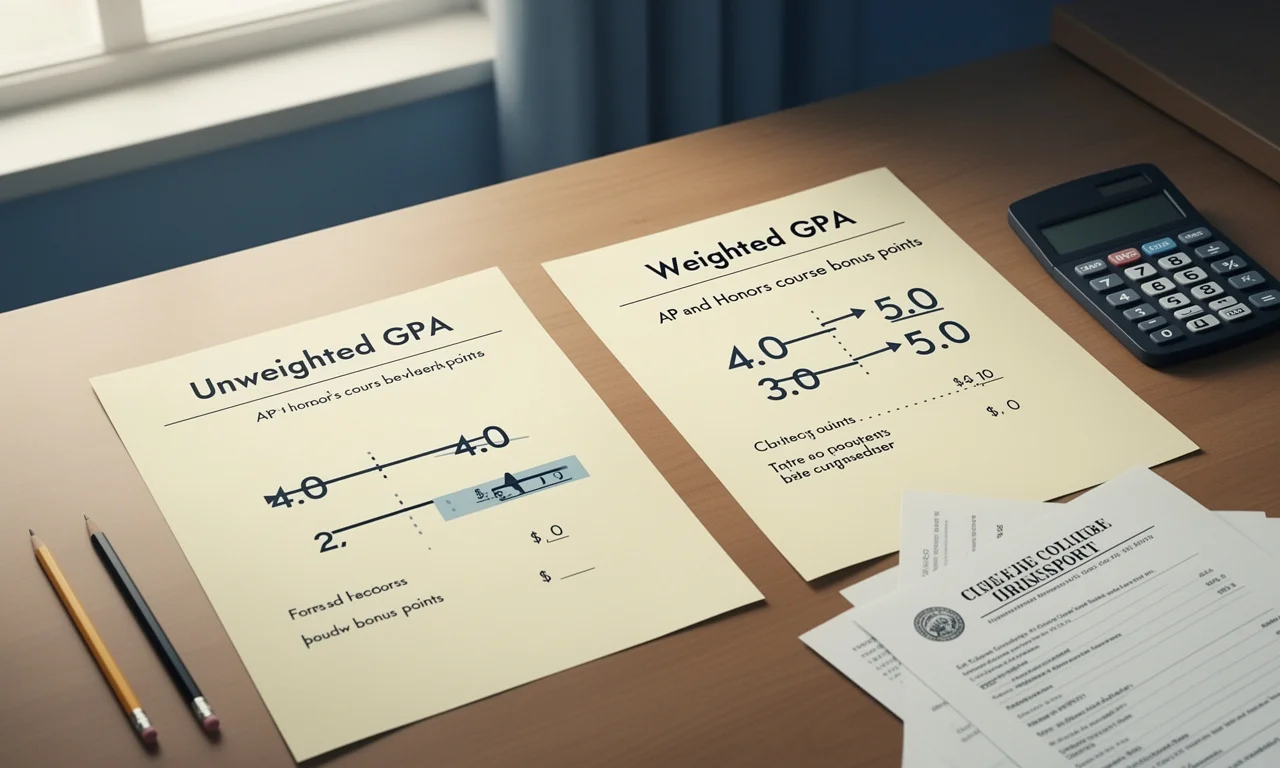
How to Calculate Weighted vs Unweighted GPA
Unweighted GPA uses a standard 4.0 scale and treats all courses equally. Weighted GPA adds 0.5 for Honors and 1.0 for AP or IB courses, producing scores above 4.0 for students in advanced classes. Both use the credit-weighted quality points formula.